
Research guide
How to Assess a Supplier’s Certificate of Analysis
A practical, non-medical framework for checking whether an analytical document is identifiable, relevant and traceable to the listed batch.
Author: Editorial team (placeholder) · Reviewer: Independent scientific reviewer (placeholder)
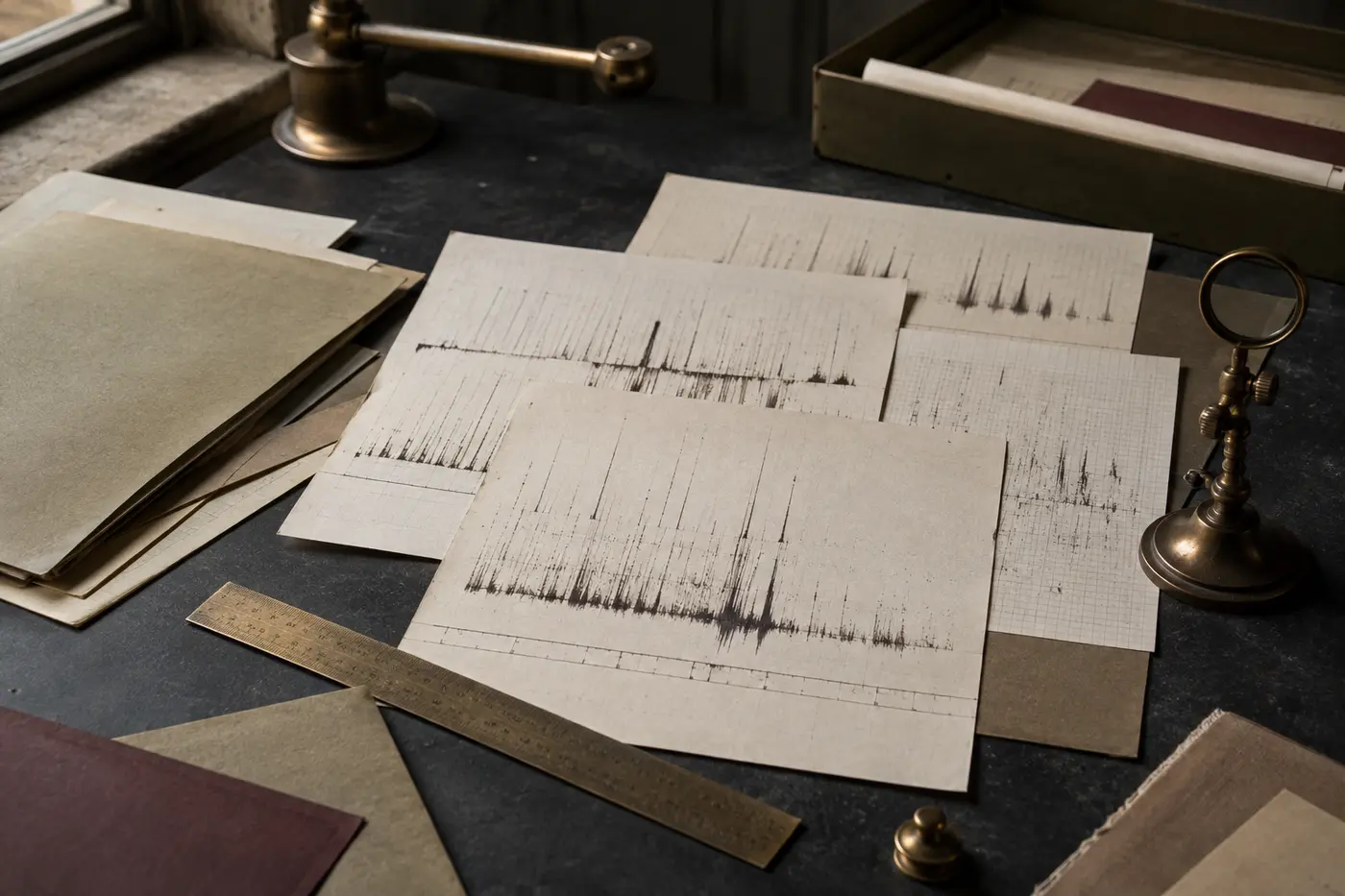
Start with the document’s identity
A useful analytical record should identify the material, sample or batch reference, report number, issue date, laboratory and methods. Record each field exactly as displayed before interpreting any result. A generic PDF that cannot be tied to current stock is evidence that a document exists, not evidence about the item being offered.
Check whether the issuer’s name, address and contact route can be found independently. A familiar logo, digital signature or laboratory-sounding name should not be treated as confirmation on its own.
- Product or sample description
- Batch or lot identifier
- Report number and date
- Named analytical method
- Issuing laboratory and verification route
Separate availability, relevance and verification
These are three different questions. Availability asks whether a record can be accessed. Relevance asks whether it matches the product and lot. Verification asks whether the issuer or an independent portal confirms the report. A strong-looking document may still fail the second or third test.
Capture supplier statements as claims until the verification step is documented. If a report cannot be confirmed, say so plainly; do not imply that it is false or authentic without evidence.
Read the scope before the number
A reported purity value is conditional on the sample, method and stated procedure. It does not automatically answer questions about quantity, identity, sterility, endotoxin, contamination, stability or sample provenance. Review the reported tests and limitations before repeating a headline percentage.
Build a reproducible note
Save the source URL, access date, file name, visible batch reference and the exact claim being assessed. Record what could not be established. This creates a review trail that another editor can repeat and update.
- Do not edit or crop source documents in a way that changes context
- Keep supplier-hosted and laboratory-hosted sources separate
- Link to the methodology and correction route
- Schedule a recheck when stock or documents change
Sources and review notes
- ISO: ISO/IEC 17025 overview (verified 3 September 2026)
- EDQM: European Pharmacopoeia (verified 3 September 2026)
- Top 10 Peptides Europe methodology (verified 3 September 2026)
This article is linked to the methodology, comparison tool and corrections process. Named credentials and specialist legal or scientific review remain placeholders until supplied.